
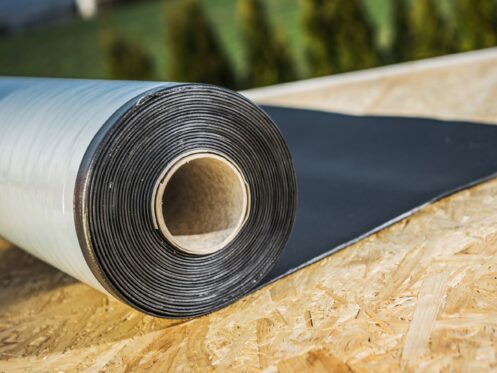
EPDM and TPO are two common single-ply choices for commercial flat and low-slope roofs. This flat roof material comparison focuses on durability, heat performance, installation details, and common building needs. The right membrane depends on your roof design, operating priorities, budget, and long-term maintenance plans.
For DFW properties, heat, strong sun, storms, and temperature swings can influence roofing decisions. EPDM vs. TPO roofing isn’t a one-size-fits-all choice for every commercial building. A professional inspection can help you compare each membrane against the conditions on your specific roof.
Why Choose Initech Roofing for Commercial Roofing Guidance
Initech Roofing serves Plano and the Greater DFW area with residential and commercial roofing services. Our local experience helps us account for North Texas heat, storms, drainage needs, and rooftop equipment. We provide roof inspections before recommending materials or repair options. Our team also provides commercial roofing services for properties with flat and low-slope systems.
Comparing EPDM and TPO Roofing
EPDM is a synthetic rubber membrane with a long history on commercial low-slope roofs. Standard EPDM is commonly black, although other options exist for certain applications. The membrane stays flexible through temperature changes and suits many commercial roof layouts. Its dark surface also absorbs more solar heat than a typical light-colored reflective membrane.
EPDM can be useful on roofs where flexibility around penetrations and details matters. It can be fully adhered, mechanically attached, or ballasted when the roof design allows. Black EPDM’s heat absorption may matter more on buildings with large exposed roof areas. Insulation levels and interior use help determine how much that surface characteristic affects the property.
TPO is a thermoplastic single-ply membrane that is commonly white or another light color. Its reflective surface can reduce solar heat absorption, which may benefit buildings during hot North Texas weather. TPO seams are heat-welded instead of joined with traditional adhesive seam methods. Proper installation remains important for seam performance, drainage, and long-term roof reliability.
TPO often appeals to owners who prioritize reflective roof surfaces in warm climates. White membranes can reduce solar heat absorbed by the roof assembly compared with dark surfaces. However, reflectivity can change as the roof surface becomes dirty. Cleaning, insulation, and overall building efficiency still influence energy performance.
Neither material is automatically more durable for every commercial property. Installation quality, membrane thickness, drainage, foot traffic, rooftop equipment, and maintenance all affect service life. This flat roof material comparison should also consider whether reducing roof-surface heat is an operating priority. Our commercial roofing systems options include membranes designed for different building conditions and performance goals.
Warehouses, retail centers, offices, and industrial buildings can use either system when design conditions are appropriate. Buildings with frequent roof traffic may need walk pads and maintenance regardless of membrane. Roof penetrations, drainage layout, and existing insulation can be just as important as membrane type. These details are why material selection should follow an inspection.
Choosing the Right Roofing Material for Your DFW Building
The EPDM vs. TPO roofing decision should start with the building rather than a favorite material. Initech Roofing evaluates roof condition, slope, drainage, penetrations, access, existing materials, and expected rooftop traffic. We also discuss budget priorities and energy considerations before recommending a system. That approach helps property owners make a practical choice for commercial roofing in DFW.
Budget discussions should include installation, expected maintenance, insulation needs, and future roof access. A lower initial scope may not be the best match if it conflicts with building operations. Likewise, a reflective membrane is not automatically necessary for every roof. The goal is a system that fits the property, not a generic ranking.
Request a Commercial Roofing Consultation
A roofing consultation can clarify which membrane fits your building and current roof condition. Initech Roofing can compare material options after examining the roof and discussing your operating priorities.
Contact Initech Roofing to request a commercial roofing consultation in Plano and the Greater DFW area.
EPDM vs. TPO Roofing FAQs
Property managers often compare the same core issues when reviewing these two single-ply membranes. The answers below cover material differences, energy considerations, durability, installation cost factors, and building fit. A site assessment can provide more specific guidance for your property.
EPDM is a synthetic rubber membrane that is commonly dark in its standard form. TPO is a thermoplastic membrane commonly sold in white or other light, reflective colors. Their seam methods, surface properties, and installation details also differ.
TPO’s light-colored surface typically reflects more solar energy than standard black EPDM. That reflectivity can reduce heat gain on the roof surface in warm weather. Whole-building energy use still depends on insulation, equipment, building use, and other conditions.
Both materials can provide durable commercial roofing when designed, installed, and maintained correctly. Their performance depends on membrane specifications, seams, drainage, exposure, traffic, and roof maintenance. A professional assessment can identify which characteristics better match your building.
Installation cost varies by roof size, membrane specifications, existing conditions, access, insulation, and project complexity. One membrane isn’t always the more expensive option on every project. A property-specific quote provides a more useful comparison than a broad price assumption.
Start with the roof’s condition, drainage, use, exposure, and long-term budget priorities. A commercial roof inspection can identify conditions that may affect material selection or installation. That evaluation gives you a clearer basis for choosing commercial roofing in DFW.
